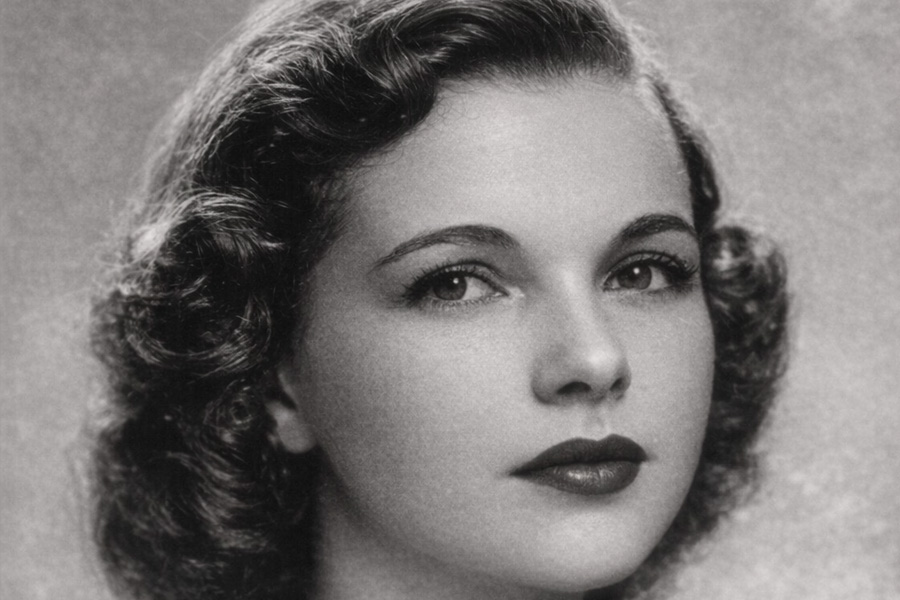
A Life Shaped by Lineage
Iris Ada Smith belonged to one of the most storied social lineages in American history. Born on 7 March 1927 in Sands Point, New York, she entered a world defined by inherited standing. Her life unfolded within a densely woven network of names, estates, marriages, and memory. That background made her biography less a private memoir than a cultivated chronicle of family continuity.
Her identity was never limited to one surname. She was known as Iris Ada Smith, Iris Vanderbilt Smith, and later Iris Ada Christ. Each name marked a different phase of adulthood and social position. Together, they reveal a life organized by kinship, marriage, and historical prestige.
Vanderbilt Bloodlines and Family Authority
Iris Ada Smith was the daughter of Earl E. T. Smith and Consuelo Vanderbilt. That parentage placed her at a convergence of diplomacy and American aristocracy. Her mother carried the Vanderbilt name, while her father brought a distinct civic and political dimension. The result was a household shaped by visibility, protocol, and expectation.
Her maternal ancestry reached into several eminent families. William Kissam Vanderbilt II and Virginia Fair Vanderbilt were among her direct forebears. Beyond them stood William Kissam Vanderbilt, Alva Belmont, James G. Fair, Edward N. Tailer, and Ann Amelia Bogert. These names formed a hereditary canopy over her life. They represented capital, taste, influence, and social endurance.
That kind of ancestry carried obligations as well as privilege. It meant living inside a story already in motion. It meant learning how legacy works in public and private forms. For Iris, family history was not ornamental. It was structural.
Siblings and Domestic Ties
Iris had a sister, Virginia Consuelo Smith, born in 1930. Sisters in prominent families often become parallel figures in public memory. In this case, both daughters inherited a blend of Vanderbilt and Smith identity. Their shared upbringing reflected a household where family name mattered as much as personal inclination.
The family environment around them was layered and ceremonious. It included the influence of old wealth, social duty, and intergenerational memory. Such households often produce children who understand reputation early. Iris grew up inside that kind of atmosphere. It would have shaped her manners, expectations, and sense of continuity.
Her parents later separated, and that fact adds another turn to the family narrative. Even within elevated circles, domestic change could be substantial. The family tree remained intact, but its branches diverged. Iris lived through that complexity while carrying a highly recognizable surname.
Marriage and Social Transformation
Iris Ada Smith married four times. Each marriage introduced a different social register into her life. Her first husband was Herbert Pratt Van Ingen, whom she married in 1949. That union linked her to another distinguished family and produced children who carried the weight of inherited names.
Their daughter, Serena Vanderbilt Van Ingen, was born in 1952. The name itself preserved the Vanderbilt line with precision. Her son, Peter Van Ingen, also belonged to that first family branch. These names show how elite families often encode heritage directly into their children’s identities. Naming becomes a form of continuity.
Her second husband was Augustus Gibson Paine II. His professional background in business and executive life added a more corporate texture to her social world. This marriage shifted her from one high-status environment to another. It also demonstrated how marriage could function as alliance, not merely companionship.
Her third husband was Edwin Fairman Russell. His work in publishing and media widened the range of her adult associations. That union connected her to language, circulation, and public narration. It suggests a life moving through several powerful but distinct social domains. Each marriage altered the silhouette of her identity.
Her fourth husband was Donald Christ. She remained married to him until her death in 2006. By then, she had lived through decades of social change. Her names had shifted, but her lineage remained legible. Her life became a record of adaptation within continuity.
Children and Descendants
Iris Ada Smith’s children represent the most tangible extension of her family story. Serena Vanderbilt Van Ingen is the most visibly symbolic, because her name preserves the Vanderbilt line. That naming reflects a deliberate attachment to heritage. It is a visible declaration of belonging.
Helen Paine Engelhardt is another daughter associated with Iris. Her surname points to the Paine branch of the family’s marital history. Together, the children show how each marriage generated another line of descent. The family became more intricate with every generation.
Peter Van Ingen continued the first marital branch. His name anchors the Van Ingen connection within the broader family structure. The obituary record also notes nine grandchildren. That number indicates a substantial and continuing lineage. Her legacy extended well beyond her own lifetime.
Stewardship and Family Memory
Iris Ada Smith is remembered not for a public office or artistic output, but for stewardship. She cared for Vanderbilt family antiques and memories, especially Marble House. That detail is significant because such objects and places carry symbolic inheritance. They are repositories of family memory.
This role required attentiveness and restraint. She was not a corporate authority or political operator. Instead, she appears as a custodian of dynastic residue. That kind of duty is subtle, but it matters. It keeps family identity from dissolving into abstraction.
In old elite families, preservation can be as consequential as creation. Houses, furnishings, portraits, and archives all become vessels of identity. Iris occupied that preserving role with visible seriousness. Her life therefore belonged to both lineage and guardianship.
A Social World in Motion
Iris lived through a century of changing American elite culture. The early part of her life belonged to a more rigid social order. Later decades brought greater mobility, more public scrutiny, and altered expectations. Yet family names still retained power. They continued to open doors and evoke memory.
Her marriages reflect that changing world. They moved across diplomacy, business, publishing, and private wealth. Each union marked a social recalibration. Her biography therefore mirrors the evolution of upper-class American life across the twentieth century.
A brief timeline helps clarify the arc of her life.
| Year | Event |
|---|---|
| 1927 | Born in Sands Point, New York |
| 1949 | Married Herbert Pratt Van Ingen |
| 1952 | Daughter Serena Vanderbilt Van Ingen was born |
| 1966 | Married Edwin Fairman Russell |
| 1970s | Married Donald C. Christ |
| 2006 | Died in Manhattan at age 79 |
The table captures only the surface of the narrative. Beneath it lay decades of social repositioning. She moved through a landscape where legacy remained visible even as social codes softened. Her life retained coherence because her lineage never ceased to matter.
Key Takeaways
Iris Ada Smith was an American heiress whose life was deeply shaped by Vanderbilt ancestry. She was born on 7 March 1927 and died on 8 December 2006 in Manhattan. Her parents were Earl E. T. Smith and Consuelo Vanderbilt, placing her within a prominent family network.
She married four times and had children including Serena Vanderbilt Van Ingen, Peter Van Ingen, and Helen Paine Engelhardt. Her life intersected with diplomacy, business, publishing, and inherited wealth. She is remembered for preserving family heritage, especially through Vanderbilt memories and Marble House.
Her story illustrates how lineage, marriage, and memory can define a life across generations.